


Choosing social media platforms is not like selecting billboards. It is more like entering different rooms at the same event. In one room, people want proof. In another, they want entertainment. Somewhere else, they want honest answers, expert insights, or a sense of belonging.
The message may come from the same business. But the audience’s expectations change from one platform to another. This is where most brands lose momentum. They use the same voice, same format, and same strategy everywhere. But that does not always work.
So instead of asking where everyone is, ask where your brand can fit. Where it can contribute. And where people can remember it. Because getting visibility is easy. But staying relevant is what turns attention into long-term value.
How Different Social Media Platforms Are Used
A brand message can look useful on one platform. And completely out of place on another. A polished promotion may work on Instagram. On Reddit, it may get ignored within seconds.
The platform does not just change the format. It changes how people judge the message.
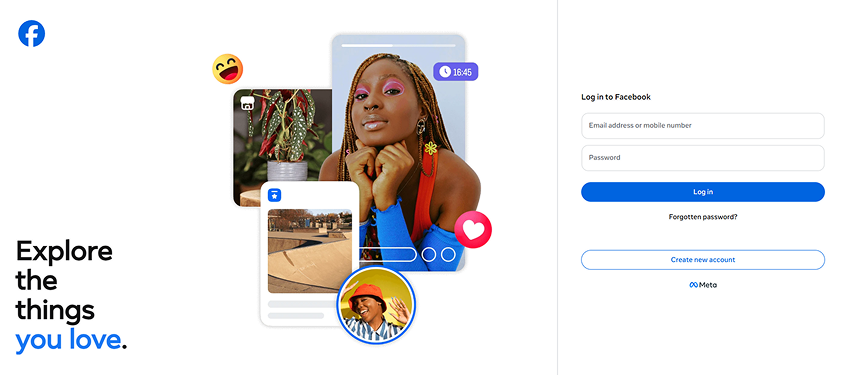
1. Facebook
Facebook is still one of the first places people check before trusting a business.
They may not buy from you immediately. But they can visit your page. See your posts. Read reviews and check how active your business is.
It also gives customers a simple way to message you, ask questions or leave feedback. So it is not only about posting content. It is also about showing that your business is active. Responsive. And trustworthy.
2. WhatsApp
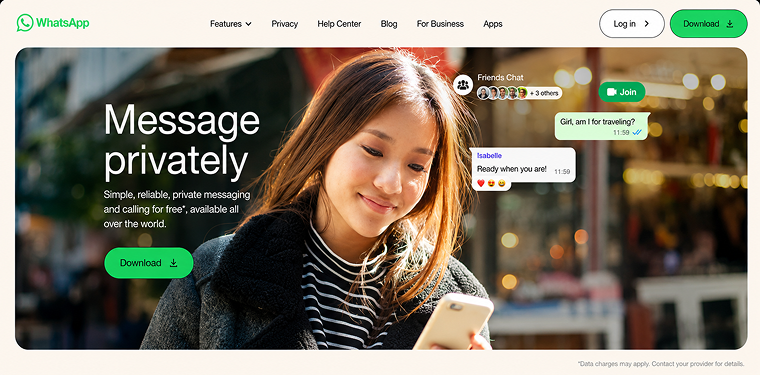
WhatsApp is simple. Fast. And more personal.
People use it to talk to friends, family, and businesses. Compared to email or a website form it’s much easier for customers to reply there. This way, it removes extra communication steps.
A customer does not have to visit a website. Or wait for a long email reply. They can simply send a message and get the information they need.
3. YouTube
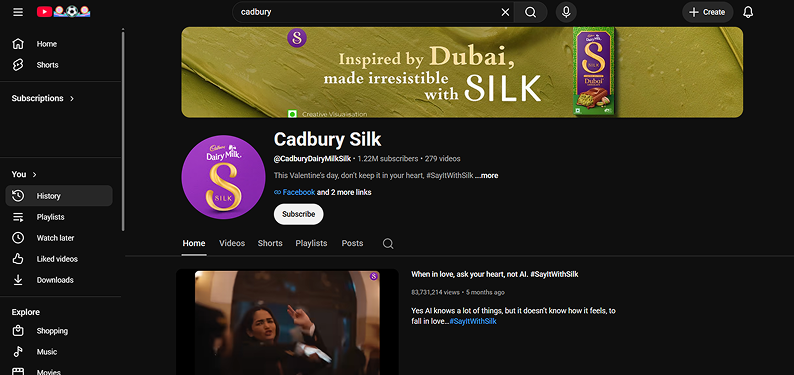
Some things need more than a post.
A product demo, a customer story works better in video format. This is where YouTube becomes useful for businesses.
YouTube helps brands explain what they do in a clearer way. It also helps with search. If people are already looking for answers, your video can appear at the right time. And help them understand your product better.
That builds trust before the customer even talks to you.
4. Instagram
Instagram is visual first.
People do not just read about a product here. They see it. They judge the design. The feel. The lifestyle. And the way the brand presents itself.
But good visuals are not enough. The content should also explain what the product is. Why it is useful. And how it fits into the customer’s life.
Attention comes from visuals. Action comes from clear messaging.
5. TikTok
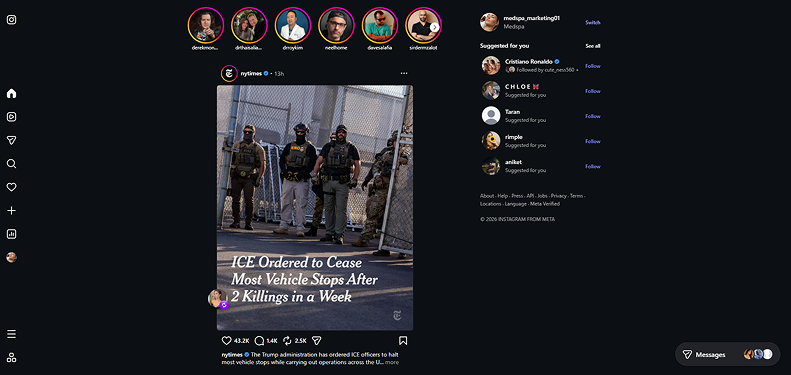
TikTok is fast. People scroll quickly. So the content has to catch attention in the first few seconds. It does not always need to look perfect. In fact, simple and natural content often works better.
The platform works well when the brand sounds human. Not too polished. Not too salesy. If the content feels real, people are more likely to engage with it.
6. Reddit
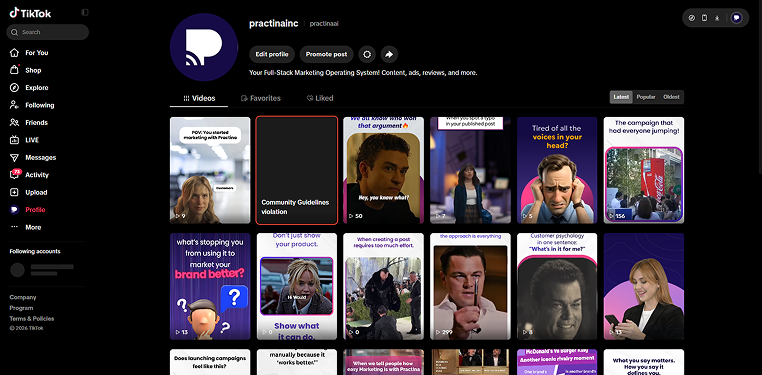
Reddit is not a place where people come to see ads.
They come to ask questions. Share opinions and discuss topics. That is why businesses need to be careful here. Reddit can help you understand your industry. And problems your customers face.
But direct selling does not work well. People can spot it quickly. The better way is to listen first. And join only when you can add something useful.
7. LinkedIn
LinkedIn is a professional platform. People use it to learn, network, hire, sell, invest, and more.
A company can share hiring posts, founder insights, and case studies. But LinkedIn isn’t about promotions. People engage more when the content teaches something. And shares a useful point or gives a clear business perspective.
That is how brands build credibility here.
8. Telegram
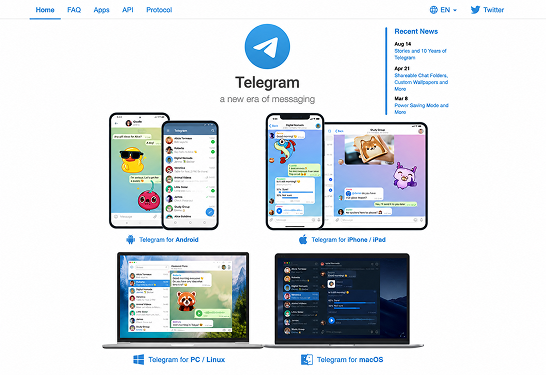
Telegram works well for direct updates. And community communication.
It can send quick updates to many people at once. That’s the speciality of Telegram. Instead of replying to the same thing repeatedly, quick replies, and bots can help customers get answers faster.
9. Snapchat
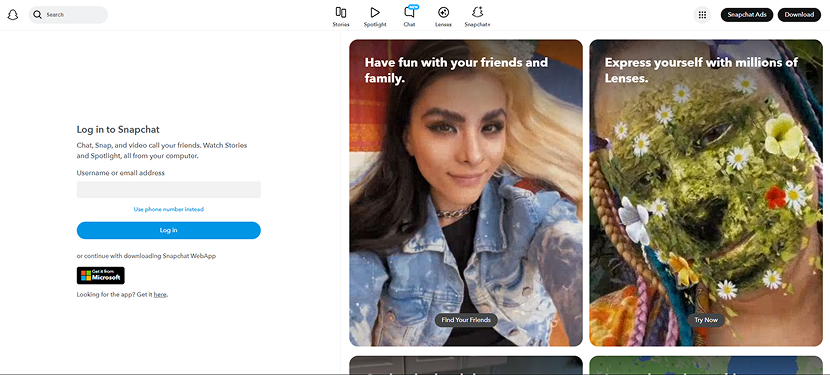
Snapchat is quick, visual, and casual. The content does not stay formal for too long. It is more about moments, experiences, and short updates.
It works better for brands that target younger audiences or depend on experiences, entertainment, and visual storytelling.
Not every business needs Snapchat. But for the right audience, it can create fast attention.
10. X
X is about real-time conversation.
Businesses can use it for announcements, audience feedback, and more. But speed matters. If customers ask questions or raise issues, slow replies can make the brand look inactive.
So X is not only a posting platform. It is also a listening and response platform.
11. Pinterest
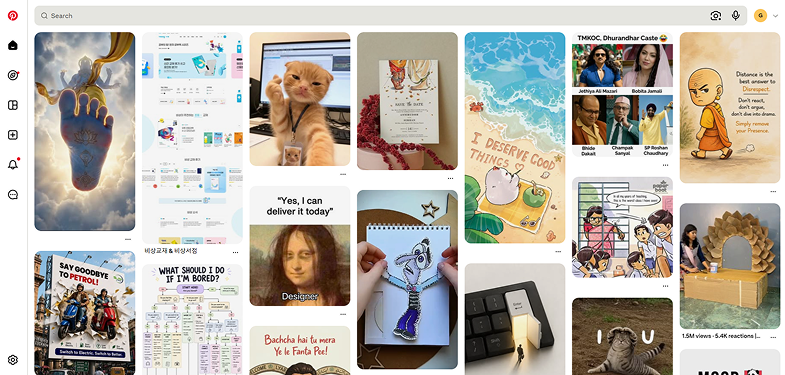
Pinterest is different. People come here to search for ideas, save inspiration, and more.
The content of the platform can stay useful for a longer time. A post does not disappear quickly. So use Pinterest if your business can inspire people before they make a decision.
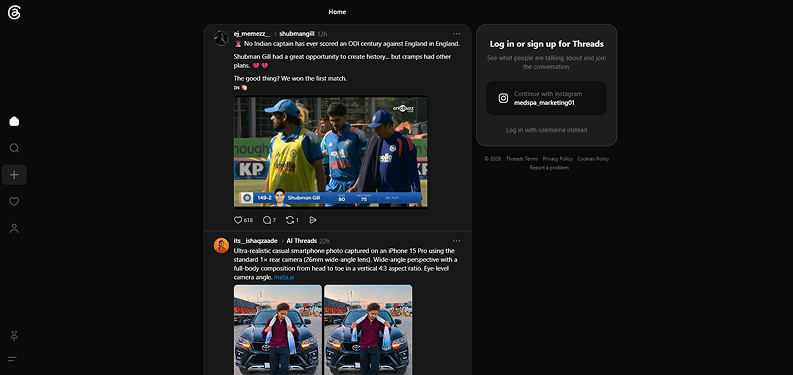
12. Threads
Threads is more conversational.
It is connected with Meta’s ecosystem. So it can be useful for brands that already have an Instagram presence. Businesses can use Threads for short updates and simple audience interaction.
The content on the platform works better when it feels natural, easy to read, and close to how people actually talk. Short posts. Simple thoughts. Light conversations. That is the kind of content that fits here.
13. Tumblr
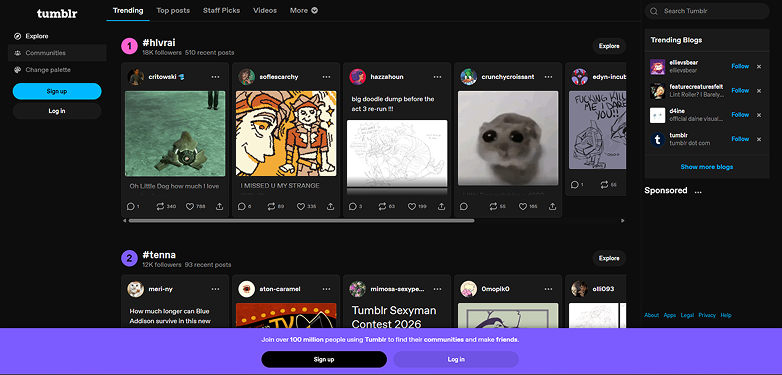
Tumblr is more creative than corporate. People use it for art, fandoms, and mixed content. So a normal brand message may not always fit.
The platform can help businesses connect with niche communities. But if the content feels sales-focused, it may not connect well. Tumblr needs content that feels native to the community.
14. Discord
Discord is built for communities.
It is not just a platform to post updates and leave. People come here to talk, ask questions, share feedback, and stay connected.
Businesses can use Discord for customer communities, discussions, and more. But Discord needs active management. If no one is guiding the conversation, the community can become silent.
People need a reason to stay.
15. Strava
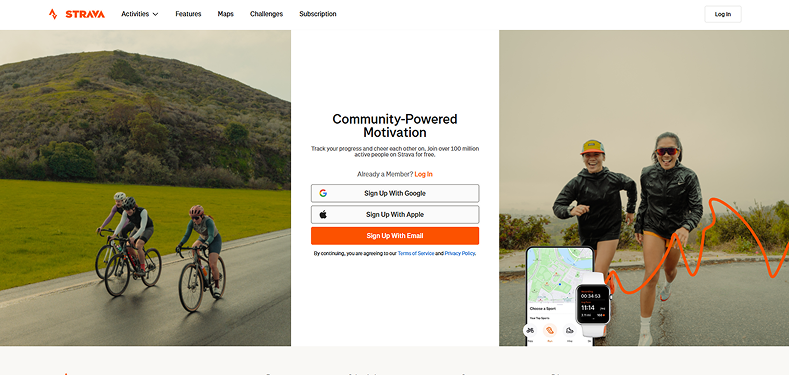
Strava is built around physical activity.
Outdoor movements are at the center of the platform. The content here should not feel like normal advertising. It should become part of the user’s fitness journey. That is what makes Strava different. The engagement comes from real action, not just scrolling.
16. Twitch
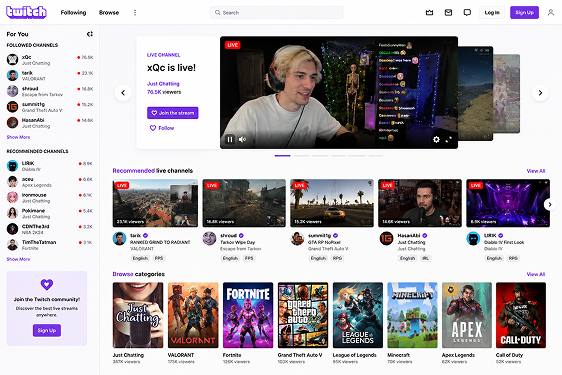
Twitch is about live interaction.
People do not just watch content here. They react, chat, and become part of the live experience. You can use Twitch for live events, product launches, and more.
Twitch works best when the brand can be present in real time. A one-way message may not be enough. The audience expects interaction.
17. Substack
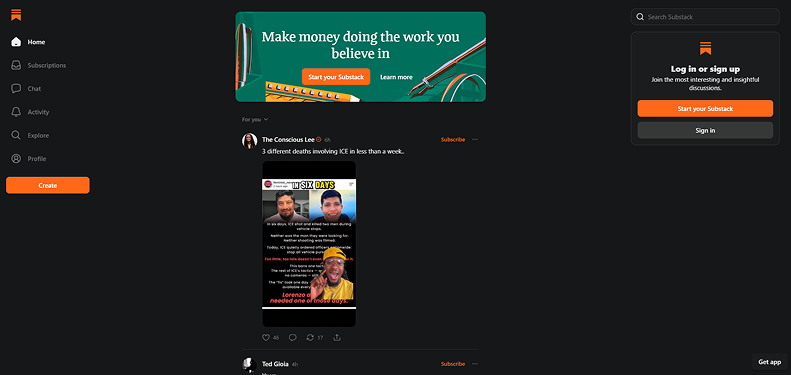
Substack is for people who want to read more deeply.
It is useful for newsletter-style content. But it should not feel like salesy. People subscribe because they want value. They want to learn something or get a point of view they trust.
18. Bluesky
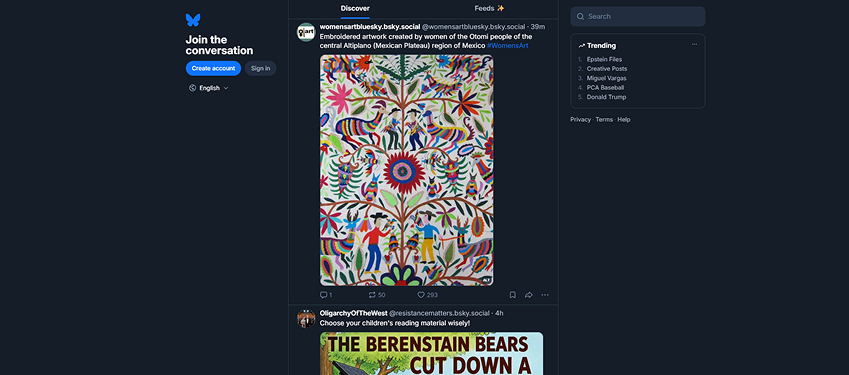
Bluesky is a text-based platform for open conversations. It is still developing. But it can be useful for testing early community engagement.
Brands can share updates, join discussions and understand how people respond in newer social spaces.
Start small. Listen first. Then see if the audience fits your brand.
19. Lemon8
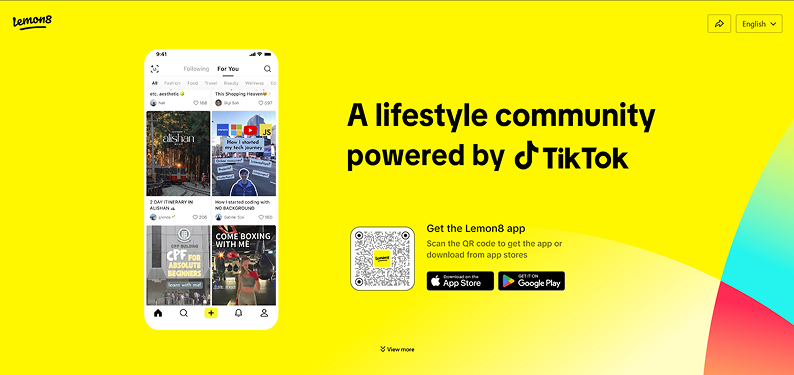
Lemon8 is visual and lifestyle-focused.
It combines images, short videos, and organized posts. The content often feels more planned. And aesthetic compared to fast-moving platforms.
If your product can be shown in a clean and useful way, Lemon8 can help people discover it more naturally.
20. Mastodon
Mastodon is not like a regular social media platform.
It is decentralized. This means it is made up of smaller communities instead of one large platform. So businesses can use Mastodon to connect with niche audiences. But it might not be ideal for mass marketing.
Top Social Media Platforms by Active Users
For marketing, these platforms help brands connect with the right audience. They also help in building awareness, increasing engagement, and staying visible in front of customers.
| Platform | Global Users / Active Metric | Average Time Spent | Largest Age Group |
| Around 3.07B monthly active users | Around 67 minutes/day | 25–34 | |
| Over 3B monthly users | Approx. 59 minutes/day | Approx. 25–34 | |
| YouTube | Around 2.58B users | Around 85 minutes/day | 25–34 |
| Around 3B monthly active users | Around 73 minutes/day | 25–34 | |
| TikTok | Around 2B monthly active/ad-reach users | Around 97 minutes/day | 18–34 |
| Around 126.8M daily active unique users | Approx. 19 minutes/day | 18–34 | |
| Around 1.3B members | Approx. 6 minutes/visit | 25–34 | |
| Telegram | Over 1B active users | Approx. 4 hours/month | 25–34 |
| Snapchat | Around 956M monthly active users / 483M daily active users | Around 17 minutes/day | 18–24 |
| X / Twitter | Around 557M estimated monthly active users | Approx. 28–32 minutes/day | 25–34 |
| Around 631M monthly active users | Approx. 10 minutes/day | 25–34 | |
| Threads | Around 500M monthly active users | Approx. 4–5 minutes/day | 25–34 |
| Tumblr | Around 123M monthly visits | Approx. 7–8 minutes/visit | 18–24 |
| Discord | Around 200M monthly active users / 90M+ daily active users | Approx. 15–20 minutes/day | 16–34 |
| Strava | Over 180M users/community members | Approx. 10–15 minutes/day | 18–34 |
| Twitch | Around 240M estimated monthly active users | Approx. 90–95 minutes/day | 18–34 |
| Substack | Over 5M paid subscriptions; tens of millions of weekly readers/listeners | Approx. 5–10 minutes/visit | 25–44 |
| Bluesky | Over 40M total users | Approx. 5–6 minutes/visit | 25–34 |
| Lemon8 | Around 12.5M estimated monthly active users | Approx. 30–50 minutes/day | 18–34 |
| Mastodon | Around 723K monthly active users | Approx. 5–10 minutes/day | 25–34 |
Where Should Your Business Be Active Online?
Not every platform gives the same result.
So first understand the marketing goal. Do you want awareness? Do you want engagement? Do you want sales? Because if your goal is wrong, even good content may not work.
| Platform | Best for | How to use it |
| Broad audience. Local reach. Paid ads. | • Post offers, updates, videos, and customer stories. • Use ads when you want better targeting and campaign data. | |
| Direct communication. Fast replies. Customer support. | • Send reminders, confirmations, offers, and follow-ups. • Use it when customers need quick and personal communication. | |
| YouTube | Education. Product explanation. Trust-building. | • Post tutorials, demos, reviews, and testimonials. • Use longer videos when people need more clarity before taking action. |
| Visual content. Brand personality. Creative campaigns. | • Use reels, stories, posts, and influencer content. • Show products, results, behind-the-scenes, and lifestyle moments. | |
| TikTok | Short videos. Quick discovery. Younger audience | • Create trends, tips, relatable videos, and product moments. • Keep the content natural, simple, and less polished. |
| Real opinions. Niche discussions. Customer insights. | • Learn what people say about problems, products, and recommendations. • Be helpful first. Direct selling does not work well here. | |
| B2B. Hiring. Partnerships. Authority. | • Post insights, case studies, company updates, and founder content. • Use it when you want to build professional trust. | |
| Telegram | Private updates. Close communities. Announcements. | • Create channels or groups for offers, product news, and updates. • Use it when people want information in one place. |
| Snapchat | Younger audience. Real-time content. AR campaigns. | • Share stories, quick updates, filters, and behind-the-scenes content. • Keep the tone casual, fresh, and active. |
| X | News. Trends. Fast conversations. | • Post announcements, opinions, event updates, and short thoughts. • Use it to reply quickly and follow what people are talking about. |
| Search. Planning. Inspiration. | • Share product visuals, ideas, guides, and checklists. • Works well for fashion, home, food, beauty, lifestyle, and ecommerce. | |
| Threads | Simple conversations. Quick thoughts. Casual updates. | • Ask questions and share short opinions. • Use it to start light conversations with your audience. |
| Tumblr | Creative communities. Niche interests. Visual storytelling. | • Share memes, blogs, artwork, and visual stories. • Works better when the content has personality. |
| Discord | Community. Discussions. Loyal audience. | • Build a space where people can ask questions and share feedback. • Use it when you want a deeper connection, not just followers. |
| Strava | Fitness. Sports. Wellness. Outdoor audience. | • Run clubs, challenges, and activity-based campaigns. • Use it when your product connects with health or performance. |
| Twitch | Live interaction. Creator content. Real-time engagement. | • Host Q&A sessions, demos, tutorials, and live discussions. • Works well when people can watch and respond in real time. |
| Substack | Newsletters. Long-form content. Thought leadership. | • Share expert views, industry updates, and educational articles. • Use it when you want regular readers, not just quick views. |
| Bluesky | Emerging conversations. Early visibility. Text updates. | • Join discussions early and share useful thoughts. • Growth may be slow, but early presence can help. |
| Lemon8 | Lifestyle discovery. Visual inspiration. Product ideas. | • Share reviews, recommendations, guides, and inspiration posts. • Works well for beauty, fashion, food, travel, wellness, and home. |
| Mastodon | Focused communities. Topic-based conversations. Trust-building. | • Join meaningful discussions around specific subjects. • Use it for smaller but more intentional audiences. |
Conclusion
The right platform is not always the biggest one. It is the one where your brand can speak clearly and feel natural. Once that choice is made, managing everything should not become a challenge.
A tool like Practina makes it easier to manage social media platforms from one place and keep the work organized. Because being present everywhere is not the goal. Being consistent in the right places is what matters.
FAQs
Q: How Many Social Media Apps Should My Business Manage at Once?
A: Start with 2 or 3. It is better to stay active on a few channels than create inactive accounts everywhere.
Q: How Do I Know Which Popular Social Media Platforms Are Actually Worth My Time?
A: Track enquiries, website visits, replies, and conversions. The best platform is the one that supports your business goals.
Q: Can I Post the Same Content Across All Social Platforms for Business?
A: You can reuse the main idea. But adjust the format, tone, and opening for each platform.
Q: How Long Should I Test a Platform Before Deciding It Is Not Working?
A: Give it enough time to publish consistently. And compare several content types. Review the results after a few months instead of judging the platform from one or two posts.
Q: When Should I Stop Using a Social Media Platform?
A: Consider leaving when your audience is not active there. Redirect that effort to stronger channels.