


Countless reels pass through our screens every day, each one vying for our attention, trying to make us pause. But how many of them do we actually remember?
Social media fatigue is real. People are tired, overstimulated, and increasingly immune to the constant stream of posts they come across. For brands, it poses a new challenge. In addition to standing out in an overcrowded digital world, retaining attention, even for a few seconds, has become an even bigger task.
But there’s something that still cuts through the noise: genuine, meaningful storytelling.
Content that speaks to people.
Campaigns that feel real.
Messaging that they remember, share, and advocate for.
That’s where strategic, thoughtful social media campaigns come in—and why brands need more than just content. They need content that connects. This guide breaks down everything you need to know: from what a social media campaign is to real examples and trends to keep tabs on.
What Is a Social Media Campaign?
Whenever you promote a brand, you start with an idea—something you want your audience to understand, feel, or act on. A social media campaign is simply a structured way of translating that idea into a message that truly resonates.
Unlike regular posting, a campaign is built with a specific goal in mind and is executed intentionally to achieve that goal. This objective could be anything: driving sales, boosting visibility, generating leads, strengthening trust, or building a community.
What makes a campaign different is its strategy. Effective social media marketing campaigns:
- Follow a clear theme
- Have defined KPIs
- Use targeted messaging
- Combine paid and organic tactics
- Run for a planned duration
It’s not about posting more, it’s about posting with purpose. A campaign is a focused, goal-driven effort designed to move your audience in a specific direction.
Types of Social Media Marketing Campaigns
The type of social media campaigns that you wish to run depends on where your brand is positioned and what outcomes you are willing to achieve. Based on your goals, here are the different types of campaigns you can run:
1. Brand Awareness Campaigns
Brand awareness campaigns focus on making a brand recognizable and memorable. The objective isn’t immediate conversion, but building recall and emotional association over time.
Example: Coca-Cola’s “Share a Coke” comeback in 2025 used personalization and digital shareability to turn bottles into social moments, resonating strongly with Gen Z.
2. Engagement & Community Campaigns
These campaigns are designed to encourage conversations, participation, and ongoing interaction between the brand and its audience.
Example: Apple’s #ShotoniPhone campaign invited users to share real photos taken on iPhones, transforming user participation into a powerful community-driven narrative.
3. Social Commerce Campaigns
Drive direct in-app sales through convenience-based shopping.
Example: A boutique posts “Try-on videos” showcasing new arrivals with tap-to-buy links on Instagram Shop.
4. Lead Generation Campaigns
Collect sign-ups, inquiries, or registrations through valuable incentives.
Example: A financial advisor offers a “Free 20-minute investment readiness checklist” downloadable guide in exchange for email sign-ups.
5. User-Generated Content (UGC) Campaigns
Your customers become your storytellers.
Example: A cafe runs a “Show us your first sip face” challenge where customers post selfies enjoying their latte to win a free drink.
6. Paid Ad Campaigns
Targeted ads that appear in front of the exact audience most likely to convert.
Example: A local dentist targets nearby users with “Free First Dental Checkup for New Patients” ads.
7. Event-Based or Seasonal Campaigns
Leverage festive seasons, launches, or limited-time offers.
Example: A bakery runs a “Create Your Own Cookie Box for Christmas” limited campaign with pre-order slots.
8. Reputation or Review-Driven Campaigns
Showcase trust through social proof and real customer voices.
Example: A home cleaning service shares before-and-after videos alongside short testimonial quotes from happy customers.
How to Build an Effective Social Media Marketing Campaign?
Brands don’t just stumble upon a great idea or adopt a hit-and-trial strategy to run a successful social media marketing campaign. It’s the result of hours of brainstorming, structured planning, and intentional execution to make it work. Drawing from traditional media principles, we’ve broken this process down using the 5Ws and 1H framework. You can approach any campaign by answering these simple key points.
WHO — Who Is This Campaign For?
First and foremost: have a clear understanding of your target audience. This includes demographics, interests, online behavior, pain points, and motivations. In the AI age, brands are going a step further by segmenting audiences into smaller, more relevant groups using data and AI-driven insights.
When you know exactly who you’re talking to, your messaging becomes sharper and more relatable.
| Who Is This Campaign For? ▪ Identify and segment your audience ▪ Define their demographics, interests, and buying intent ▪ Create hyper-specific audience clusters |
WHAT — What Is the Goal of the Campaign?
Now that the target audience is sorted, define what success looks like before you start. The objective could be brand awareness, engagement, lead generation, sales, or community building. A single campaign should ideally focus on one primary goal to avoid diluted results.
Your goal will guide everything down the lane, from content format to platform choice and KPIs.
| What Are You Trying to Achieve? ▪ Drive traffic ▪ Increase sign-ups ▪ Boost sales ▪ Generate leads ▪ Build community ▪ Strengthen brand trust |
WHERE — Where Will the Campaign Run?
Not every platform works for every brand. Choose channels based on where your audience is most active and how they consume content.
Platform preferences vary significantly across different age groups. While Facebook usage is higher among users aged 30–49 (80%) compared to 18–29-year-olds (68%), Instagram tells the opposite story, with 80% of users aged 18–29 active on the platform versus 62% in the 30–49 group. [Pew Research]
Being present everywhere is less effective than being impactful in the right places.
| Where Will Your Campaign Run? Choose platforms your audience actively uses: ▪ Instagram Reels & Stories ▪ TikTok short-form content ▪ Facebook for ads + local businesses ▪ LinkedIn for B2B ▪ YouTube for long-form content ▪ Pinterest for lifestyle inspiration ▪ WhatsApp & DM automation for conversions |
WHEN — When Should the Campaign Run?
After what, when, and where, the next important factor is timing it right. The duration, posting frequency, and best times to publish all play a crucial role in campaign success. The most effective social media campaigns often align with festive seasons, emerging trends, product launches, or cultural moments to maximize relevance and impact.
A well-planned content calendar ensures consistency without overwhelming your audience.
Factor in: ▪ Seasons ▪ Festivals ▪ Product launch cycles ▪ Trending moments ▪ Audience activity patterns |
WHY — Why Should People Care?
Next is your value proposition, the emotional core of your campaign. Analyse the campaign from your audience’s perspective. What is it that they gain out of this campaign? Is it educational, inspirational, entertaining, or a solution to a real problem? People engage with campaigns that feel relevant to their lives, not just promotional.
If the “why” isn’t strong, attention will be short-lived.
| Your Messaging Should Answer: ▪ What problem do we solve? ▪ What emotion do we trigger? ▪ Why are we different? |
HOW — How Will the Campaign Be Executed and Optimized?
This is where all the above planning must be put into action. With everything in mind, you now have to define your creative direction, messaging tone, visuals, and calls-to-action. Decide how much of the campaign will be organic versus paid, and how targeting and budget will be managed.
Once the campaign is live, monitor performance closely. Real-time insights allow you to tweak creatives, refine targeting, and improve results as the campaign runs.
| This Is Where the Action Begins: ▪ Design the creative direction (visuals + messaging + theme) ▪ Plan the content calendar ▪ Set your ad strategy (budgeting, targeting, smart optimization) ▪ Pick automation + analytics tools ▪ Launch, monitor, and optimize in real time ▪ Use AI for dynamic creatives and predictive insights |
How to Create KPIs for Your Social Media Campaign?
Now that the creatives are ready, the tone is set, and the campaign is live, one question matters the most: Is it actually working? To answer that, you need clearly defined KPIs. But these shouldn’t be an afterthought. KPIs work best when they are planned alongside the campaign, not measured once it’s over.
Start by tying your KPIs directly to your campaign goal. Just remember, every objective demands a different way of measuring success.
1. Align KPIs with the Campaign Objective
- If the goal is brand awareness, focus on reach, impressions, and frequency.
- For engagement-driven campaigns, track likes, comments, shares, saves, and engagement rate.
- Lead generation campaigns should prioritize clicks, form submissions, cost per lead, and conversion rate.
- For sales-focused campaigns, metrics like purchases, ROAS, and cost per acquisition matter most.
2. Focus on What Matters—Not Everything
It’s easy to track dozens of metrics, but not all of them are meaningful. Choose 3–5 core KPIs that truly reflect progress toward your goal. This keeps the analysis clear and prevents decision paralysis.
3. Set Benchmarks Before You Launch
Compare your KPIs against past campaigns, industry averages, or platform benchmarks. This gives context to your performance and helps you understand whether results are strong, average, or need improvement.
4. Define Success Clearly
Be specific about what “good performance” looks like. For example, instead of saying “increase engagement,” define it as “achieve a 4% engagement rate within two weeks.” Clear benchmarks make optimization easier.
5. Review and Optimize in Real Time
KPIs aren’t just for reporting. They’re a crucial asset for improving performance while the campaign is live. Monitor trends regularly and use insights to refine creatives, adjust targeting, or reallocate budgets.
In short, KPIs help turn chaos into coherence. They help you understand what’s resonating, what’s falling flat, and where to focus next, ensuring your campaign doesn’t just run, but performs with purpose.
Social Media Campaign Examples
While you can absolutely create a strong campaign for your own brand, there’s immense value in observing how larger, well-established brands drive engagement and influence buying decisions. Their campaigns often set benchmarks for creativity, timing, and audience connection. Here are a few standout examples worth drawing inspiration from:
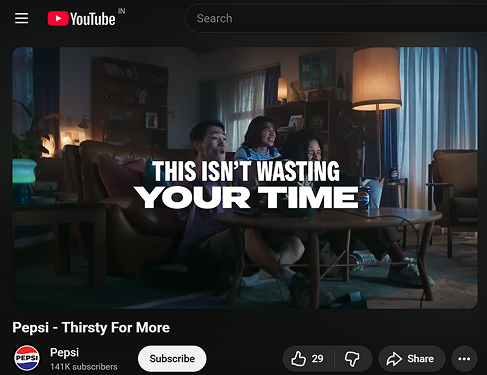
Pepsi – Thirsty for More
Pepsi moved beyond selling a drink and tapped into what people are truly passionate about. The campaign positioned Pepsi as a refresher that fuels you while you chase what excites you—selling an emotion, not just a beverage.
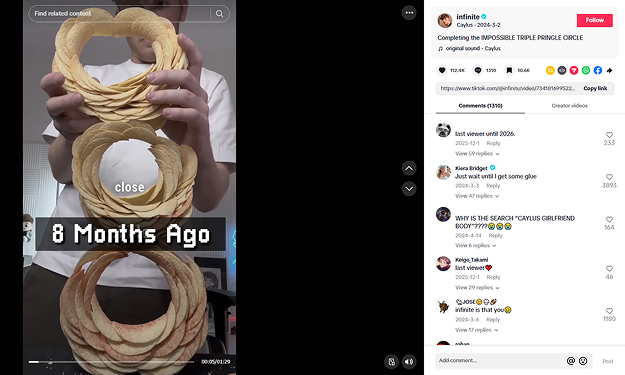
Pringles – Stack to the Max
Pringles made its iconic can and stackable chips the centerpiece of the campaign. By encouraging users to create, mix, and share their own stacks, the brand turned everyday snacking into an interactive social experience.
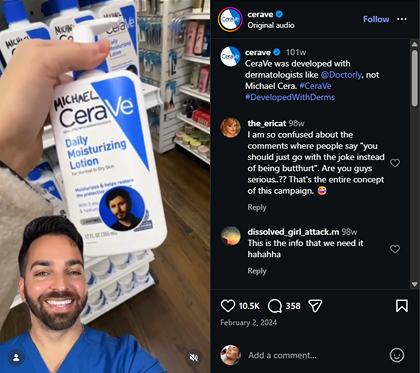
CeraVe – Michael CeraVe
CeraVe leaned fully into internet chaos, blurring the line between joke and truth. By playing along with a viral conspiracy, the brand owned Gen Z humor and sparked massive organic buzz before revealing the punchline, “Developed with Dermatologists. NOT Michael Cera.”
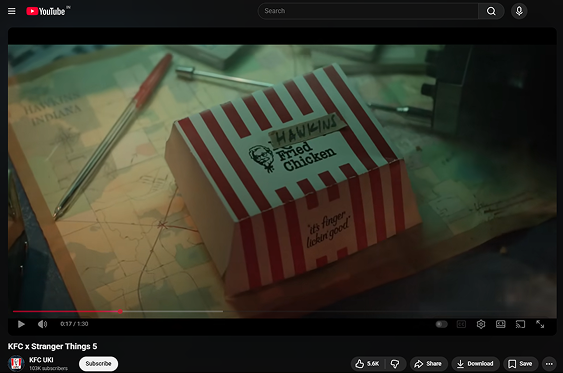
KFC × Stranger Things 5
KFC didn’t just collaborate; it entered the cultural conversation. By reimagining itself within the Stranger Things universe, the brand stayed relevant at the exact moment fans were most engaged.
How Do Social Media Ad Campaigns Differ From Organic Campaigns?
Organic campaigns help you build a brand, while paid campaigns help you grow and convert faster.
| Aspect | Social Media Ad Campaigns | Organic Social Media Campaigns |
| Primary Objective | Drive quick, measurable outcomes like leads, sales, or app installs | Build long-term trust, community, and brand personality |
| Reach | Scalable and controlled—reaches new and targeted audiences instantly | Grows gradually, driven by followers and platform algorithms |
| Targeting | Highly precise (demographics, interests, behavior, intent) | Broad and interest-led, based on content relevance |
| Speed of Results | Faster impact and immediate visibility | Slower burn but stronger long-term recall |
| Creative Approach | Performance-driven creatives with clear CTAs | Story-led, conversational, and value-focused |
| Budget Dependency | Requires ad spend to sustain reach | Requires consistency, creativity, and time |
| Best Use Case | Product launches, promotions, lead generation | Brand building, engagement, loyalty, and advocacy |
Trends Shaping Social Media Campaigns in 2026
▪ AI-Assisted Workflows
AI, like that of Practina, is helping brands create faster, smarter variations of creatives, allowing teams to test, learn, and scale what works without losing consistency.
▪ Data for Predictive planning
Instead of reacting to results, brands are using data to anticipate what content, audience, and timing will perform best before campaigns even peak.
▪ Social Commerce as a Conversion Channel
Social platforms are no longer just tools for audience engagement; they’re becoming full-funnel sales channels where browsing, trust, and checkout happen in one place.
▪ Short-Form Video With Clear Intent
Short videos and reels will still dominate, but in 2026, performance depends on strong hooks, value-driven content, and clear takeaways.
▪ Community-Driven Brand Building
Brands are shifting focus from mass reach to meaningful relationships by nurturing loyal communities through conversations, groups, and shared values.
▪ Micro-Influencers Over Celebrities
Smaller creators with niche audiences are delivering higher trust, better engagement, and stronger ROI than large, one-off celebrity endorsements.
▪ Personalization Through Engagement
Campaigns adapt creatives, messaging, and offers in real time based on how users interact, making each experience feel more relevant and intentional.
Conclusion
Intelligent social media campaign strategies are the ones that analyze user behavior in real time. For instance, there is a growing preference among audiences for brands that are relevant and witty in the comments section. Staying active there helps brands connect in real time and on real ground.
That said, it’s important to see what works well for your brand. Keep an eye on competitors—what they are doing, how they are approaching their social strategy—and build on those insights to decide how you want to position your brand differently. And while this may sound like a lot to manage, you can streamline and automate your workflows with the help of tools like Practina—your partner in building and scaling every successful social media campaign.