

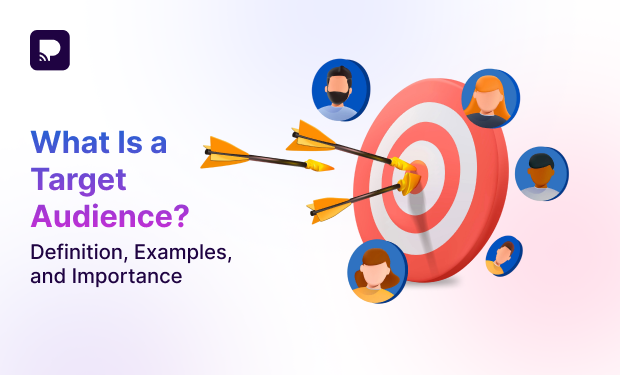
A target audience is a specific group of people a business wants to reach with its products, services, or messages. Instead of trying to speak to everyone, businesses focus on people who are more likely to be interested and take action. This makes marketing clearer, more effective, and easier to manage.
Before starting any marketing activity, businesses need to define their target audience. When a business knows who it is talking to, it can create better messages, choose the right platforms, and use its budget wisely. Clear audience knowledge helps businesses communicate with purpose instead of guessing what might work.
When businesses skip this step, marketing often fails. Messages become unclear, ads reach the wrong people, and results remain weak. Without a defined target audience, businesses spend more time and money but see little growth. Understanding your audience from the beginning creates a strong base for every marketing and business decision.
Turn audience insights into action with Practina
Create, schedule, and optimize posts for the people who matter most
Try PractinaWhat Is a Target Audience?
A target audience is a specific group of people a business, brand, or creator wants to reach with its product, service, or message. These are the people who are most likely to be interested, understand the value, and take action. Instead of speaking to everyone, businesses focus on this group to communicate more clearly and effectively.
Every business, brand, and creator needs a target audience because it removes guesswork. When you know who you are trying to reach, it becomes easier to create the right message, choose the right platform, and offer the right solution. Without a target audience, marketing often feels scattered and confusing, leading to poor results. A target audience also guides everyday business decisions. It helps shape what content you create, how you advertise, how you price your product, and even how you design your website. When decisions are made with a clear audience in mind, businesses stay focused, consistent, and more likely to grow.
Target Market vs Target Audience
A target market is a broad group of people a business wants to sell to, based on factors like age, income, location, or industry. A target audience is a smaller, more specific group within that market that a business speaks to directly through marketing messages. In simple terms, the target market defines who could buy, while the target audience defines who you talk to.
| Aspect | Target Market | Target Audience |
| Meaning | A broad group of people who may buy a product or service | A specific group chosen for marketing messages |
| Purpose | Defines who the business can sell to | Defines who the business speaks to directly |
| Size | Large and wide | Smaller and more focused |
| Used for | Product planning and business strategy | Advertising, content, and messaging |
| Example | All people interested in fitness products | People who follow fitness tips on social media |
| Common mistake | Making it too general | Confusing it with the target market |
Target Users vs Targeted Customers
Target users are the people who directly use a product or service in their daily work or life. A targeted customer is the person who makes the purchase or approves the payment. In some businesses, the same person is both the user and the customer, but in many cases, they are different.
This difference is important for business growth because each group has different needs and priorities. Target users care about ease of use and usefulness, while targeted customers care about value, cost, and results. When businesses understand both, they can improve product adoption, customer satisfaction, and long-term growth.
Target Users vs Targeted Customers: Quick Comparison
| Aspect | Target Users | Targeted Customers |
| Definition | People who use the product or service | People who pay for or approve the purchase |
| Main focus | Usability and daily experience | Cost, value, and return on investment |
| Role in decision | Influence the buying decision | Make the final buying decision |
| B2C example | A child using a gaming app | Parent paying for the app |
| B2B example | An employee using business software | Manager or owner buying the software |
Why Defining a Target Audience Is Important for Business Success
Defining a target audience helps businesses make smarter and more effective decisions. When businesses clearly understand who they are trying to reach, every part of marketing and communication becomes easier and more meaningful.
Here are five key reasons why defining a target audience is important:
1. Better Marketing Focus
A clear target audience enables businesses to focus on the right people, rather than trying to reach everyone. This makes marketing efforts more organized and effective.
2. Higher Conversion Rates
When messages match the needs and interests of the audience, people are more likely to take action. This leads to better results from the same marketing effort.
3. Reduced Ad Waste
Knowing your target audience helps avoid spending money on people who are not interested. This makes advertising budgets more efficient and cost-effective.
4. Clear and Consistent Messaging
A defined audience guides the tone, language, and style of communication. Clear messaging enables people to quickly understand the value of a product or service.
5. Stronger Business Growth
When businesses attract the right audience, they build trust, loyalty, and long-term relationships. This supports steady growth and better customer retention.
Types of Target Audiences Businesses Should Know
There are different ways to define a target audience, and each type helps businesses understand people from a specific angle. Beginners do not need to use all types at once, but knowing the basics helps build a strong foundation.
▪ Demographic Audiences
Demographic audiences are defined by basic details such as age, gender, income level, education, or job role. This is one of the most common and easiest ways to identify a target audience. It helps businesses understand who their audience is at a general level.
▪ Geographic Audiences
Geographic audiences are based on location, such as country, region, city, or local area. This type is useful when products, services, or messaging need to match local needs, language, or availability. It helps businesses stay relevant to where their audience lives or operates.
▪ Behavioral Audiences
Behavioral audiences are grouped by actions and behavior. This includes how people use products, what they buy, how often they engage, or how they respond to marketing. This type of targeting focuses on what people do, not just who they are.
How to Identify Your Target Audience Step by Step
Identifying a target audience does not need to be complicated. By following a clear step-by-step approach, businesses can understand who they should focus on and why those people matter.
Step 1: Understand Your Product or Service
Start by clearly understanding what you offer and what makes it useful. Think about what your product or service does, how it works, and what value it provides. When you know this well, it becomes easier to identify who would benefit from it the most.
Step 2: Identify the Main Problem You Solve
Every product or service solves a problem. Identify the main problem your business helps fix and who is most likely to have that problem. This step helps narrow your focus and prevents you from targeting people who are not interested.
Step 3: Study Your Current Customers
If you already have customers, study them closely. Look at who buys from you, how they found you, and why they chose your product or service. These insights often reveal patterns that point directly to your true target audience.
Step 4: Narrow Your Audience Logically
Once you gather information, narrow your audience based on relevance and likelihood to act. Avoid trying to reach everyone. A smaller, well-defined audience is easier to understand, easier to reach, and more likely to convert.
Ready to Reach the Right Audience Consistently?
Start using Practina to create smarter, audience-focused content today
Try PractinaTarget Audience Examples: How Businesses Reach the Right People
1. Nike — Athletes & Fitness Lovers

Nike targets people who live an active lifestyle, like athletes and fitness fans who care about performance and motivation. Their ads often show real athletes and stories of overcoming challenges to connect emotionally.
2. Starbucks — Urban Millennials and Young Professionals
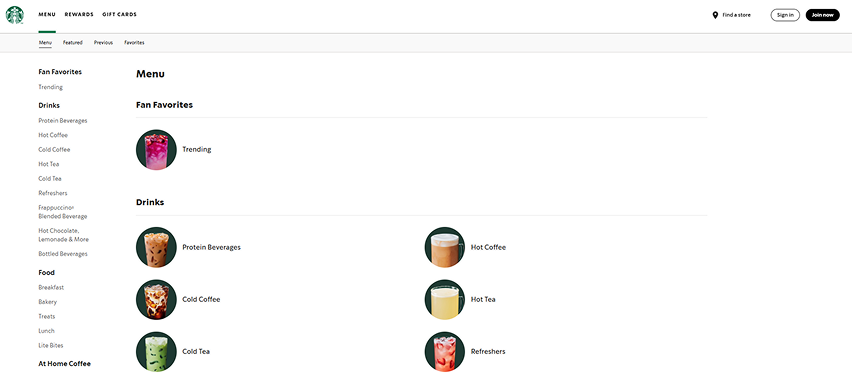
Starbucks focuses on people who want a quick, quality coffee experience in a social or work‑friendly space. These customers are often tech‑savvy, on the go, and value convenience and comfort.
3. Aldi — Budget‑Focused Everyday Shoppers
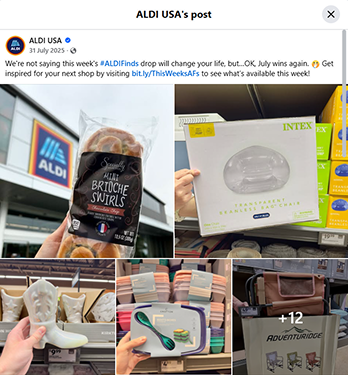
Aldi’s target audience includes people who shop on a budget and want practical, affordable groceries without extra frills. Their marketing leans into value and simplicity to appeal to price‑conscious buyers.
Live example reference: Aldi target audience described.
4. Old Spice — Female Buyers for Male Grooming
Old Spice shifted its audience strategy by creating ads aimed at women, who often buy men’s grooming products for partners. This helped the brand grow by speaking directly to the decision makers.
5. LEGO — Kids and Adult Fans of Creative Play
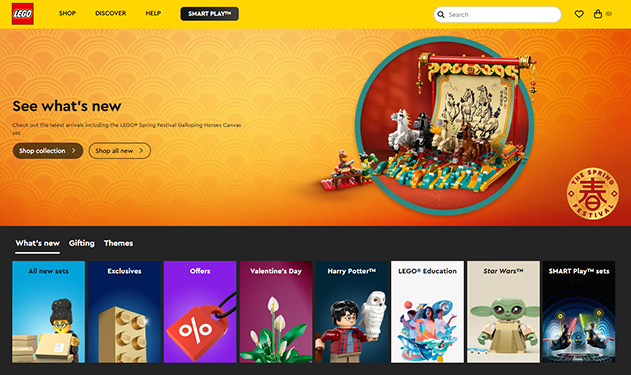
LEGO targets both children and adults by offering different product lines for each group. For kids, the brand focuses on fun and imagination; for adults, it promotes complex sets that double as hobbies and collectibles.
How to Define Your Target Market and Audience Together
Defining the target market and audience together helps businesses build a clear and complete strategy. The target market gives a broad view of who could buy, while the target audience focuses on who the business should communicate with directly. When both are defined properly, marketing becomes more focused and effective.
It is important to define both when planning a new product, launching a campaign, or entering a new market. The target market helps businesses understand the size and potential of the opportunity, while the target audience helps shape messages, content, and advertising. Defining only one often leads to gaps in strategy.
The target market and audience support each other by keeping business decisions aligned. The market sets the direction, and the audience guides communication. To avoid overlap and confusion, businesses should clearly document each one and use it for their specific purpose. This clarity helps teams stay consistent and avoid mixed messaging.
Common Target Audience Mistakes You Should Avoid
Many beginners struggle with defining a target audience because of a few common mistakes. Avoiding these errors can save time, money, and frustration while improving overall results.
▪ “Everyone Is My Customer” Mistake
One of the biggest mistakes is believing that everyone can be a customer. When businesses try to reach everyone, their message becomes weak and unclear. A focused target audience leads to stronger connections and better outcomes.
▪ Relying Only on Age and Gender
Age and gender alone do not explain why people buy. While these details are useful, they do not show needs, interests, or behavior. Businesses should look deeper to understand what truly motivates their audience.
▪ Ignoring Customer Intent
Some businesses focus only on reach and visibility and ignore intent. Customer intent shows whether people are ready to buy or take action. Without understanding intent, marketing efforts often fail to convert.
▪ Copying Competitors Without Research
Copying a competitor’s audience without proper research can lead to poor results. What works for one business may not work for another. Every business must define its own target audience based on its product and goals.
Conclusion
A clear target audience enables businesses to focus on the right people, rather than trying to reach everyone. It makes marketing messages easier to understand and more effective. Over time, this focus helps businesses grow faster and avoid wasting time and money.
When businesses clearly know their audience, making decisions becomes simpler and more confident. Tools like Practina can support this process by helping businesses understand performance, track results, and improve their strategy step by step. Starting with a clear target audience builds a strong base for long-term success.
FAQs
Q: What is a target audience?
A: A target audience is a specific group of people a business wants to reach. These people are more likely to be interested in the product or service.
Q: What is a target consumer, and how is it different?
A: A target consumer is the person who actually buys the product. A target audience may include viewers or users, but the consumer is the one who pays.
Q: What is the difference between a target market and target audience?
A: A target market is a broad group of potential buyers, while a target audience is a smaller group you market to directly. Both work together to guide business decisions.
Q: Who are the target users and the targeted customer ?
A: Target users are people who use the product, and a targeted customer is the person who makes the purchase. In many businesses, these are not the same people.
Q: Can a business have more than one target audience?
A: Yes, a business can have more than one target audience. However, beginners should start with one clear audience before expanding.
Q: How does knowing your target audience help business growth?
A: Knowing your target audience helps create better marketing, reduce wasted spending, and improve results. It also makes tools and platforms, like Practina, more useful by tracking the right performance data.