



Social media is an integral part of modern businesses. From posting updates about our daily activities to sharing our thoughts and opinions, social media platforms have made it easier for us to connect with people from all over the world. However, with this ease of connectivity comes the risk of oversharing or posting things that might be inappropriate or damaging to ourselves or others. This blog discusses what not to post on social media to avoid negative impact.
Quick overview of the types of content you should avoid posting on social media and why they can be risky.
| Type of Content | Why It’s Risky | Impact |
| Personal information | Can lead to identity theft or scams | High |
| Private conversations | Breaks trust and credibility | High |
| Offensive content | Can trigger backlash or bans | High |
| Emotional rants | Often misunderstood or regretted | Medium |
| Inappropriate media | Affects career and reputation | High |
| Confidential info | Legal and professional risk | Very High |
| False information | Damages credibility | High |
| Workplace negativity | Hurts the professional image | High |
| Illegal activities | Legal consequences | Very High |
| Location Sharing | Safety risks | High |
| Financial life oversharing | Attracts scams or judgment | Medium |
| Misleading context | Easily misunderstood | High |
Make Your Data Work for You – Try AI Marketing Tools Now!
Discover MoreHere’s A List Of What Not To Post On Social Media
1. Personal Information
Social media marketing is not about sharing personal information such as your full name, date of birth, home address, or phone number online. Cybercriminals can use this information to commit identity theft, fraud, or other malicious activities. It is best to keep personal information private and only share it with trusted friends or family members.
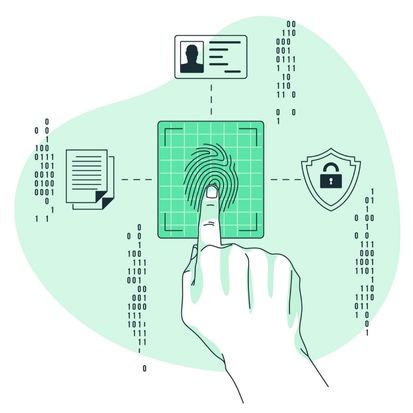
Avoid posting:
- Your home address, phone number, or email
- Date of birth or identification details
- Daily routines, travel plans, or location patterns
Keeping your personal information private is one of the simplest ways to protect yourself online.
2. Private Conversations
Social media platforms offer private messaging features that allow you to communicate with friends and family members in a secure environment. It is important not to screenshot or share these private conversations publicly as they can damage your reputation and breach the privacy of the people involved in the conversation. As a business or entrepreneur, you can lose the loyalty of your customers, which is extremely difficult to regain.
Avoid posting:
- Sharing screenshots of chats without consent
- Posting DMs or personal messages publicly
- Revealing sensitive or emotional conversations
Respecting privacy builds trust—breaking it is hard to recover
3. Offensive or Discriminatory Comments
Posting offensive or discriminatory comments about a person or group of people on social media can have serious consequences. It can damage your reputation, lead to legal action, or even result in loss of employment. It is crucial to think twice before posting anything that might be considered offensive or discriminatory, and always treat others respectfully and kindly.
Avoid posting:
- Offensive jokes or insensitive comments
- Discriminatory remarks about any group
- Content that can be misinterpreted or harmful
Think beyond the moment, your content can reach people you never intended
4. Personal Problems or Complaints
Posting personal problems or complaints on social media can be counterproductive and can lead to further problems. It is best to deal with personal issues privately or seek professional help if necessary. Posting complaints about work or colleagues can also damage your professional reputation and may lead to disciplinary action.
Avoid Posting:
- Posting during anger or frustration
- Public arguments or personal conflicts
- Oversharing personal struggles
Take a pause before posting, clarity often comes with time.
5. Inappropriate Photos or Videos
Posting inappropriate photos or videos on social media can have serious consequences. It can damage your reputation, lead to legal action, or even result in loss of employment. It is crucial to think twice before posting anything that might be considered inappropriate or offensive. Always consider the impact it can have on your reputation.
Avoid posting:
- Explicit or suggestive content
- Embarrassing or risky behavior
- Anything you wouldn’t feel comfortable showing in a professional setting
Your content shapes your long-term image—post with that in mind.
6. Confidential Information
Posting confidential information on social media can lead to severe and damaging results. This includes sharing trade secrets, client information, or other sensitive information related to your job or business. Clients trust you with their personal information, and your responsibility is to keep it secure. It is essential to always consider your posts’ impact on others and keep confidential information hidden.
Avoid posting:
- Client or customer information
- Internal company data or discussions
- Business strategies, documents, or unreleased plans
Protecting confidential information is a responsibility, not a choice.
7. False Information
Posting false information on social media is unethical and problematic. This includes sharing fake news, rumors, or other misleading information that can harm others. It is important to always verify the information before sharing it and consider the impact it might have on others.
Avoid posting:
- Posting unverified news or rumors
- Sharing content without checking sources
- Forwarding misleading or sensational claims
Take a moment to verify, as accuracy builds trust.
8. Negative Comments about Employers or Colleagues
Posting negative comments about employers or colleagues on social media is unprofessional. It can damage your professional reputation, lead to disciplinary action, or even result in loss of employment. It is essential to always think twice before posting anything negative about your workplace or colleagues. Address any issues privately or through the appropriate channels. It also gives your audience an overview of what kind of business you run and how you treat your staff.
Avoid posting:
- Complaining about your job online
- Criticizing colleagues or management publicly
- Sharing workplace conflicts on social media
Handle concerns privately because professionalism always matters.
9. Illegal Activities
Posting about illegal activities on social media can lead to severe consequences. It can lead to criminal charges or legal action. It is essential to always think twice before posting illegal activities on social media or before participating in them.
Avoid posting:
- Content involving illegal actions
- Risky or dangerous behavior
- Anything that could raise legal concerns
What you post online can have real-world consequences—always be mindful.
10. Location Sharing in Real-Time (Major Safety Risk)
Sharing your location in real time might seem harmless, but it can expose where you are and your daily routine. This information can be misused by strangers or even lead to safety risks. It also signals when you’re not at home, increasing vulnerability. A better approach is to post your location after you’ve left.
Avoid posting:
- Posting your live location in real time
- Tagging places while you’re still there
- Sharing travel updates instantly
It’s always safer to post after you’ve left a location, not while you’re still there.
11. Oversharing Your Financial Life
Posting about your income, expensive purchases, or financial struggles can attract unwanted attention. It may make you a target for scams, fraud, or judgment from others. Financial details are personal and don’t need to be public. Keeping them private helps protect both your security and peace of mind.
Avoid posting:
- Salary, income, or financial details
- Expensive purchases or assets
- Financial struggles or sensitive money matters
Keeping your financial life private helps you stay secure and avoid unwanted attention.
12. Content That Can Be Misinterpreted (Context Collapse)
Content shared on social media doesn’t stay within your intended audience. A post meant for friends can easily reach employers, clients, or strangers. Without context, it can be misunderstood or taken the wrong way. Always think about how your post might look to someone outside your circle.
Avoid posting:
- Inside jokes without context
- Sarcastic or unclear statements
- Content that could be taken the wrong way
Always think about how your post might be understood by someone who doesn’t know you personally.
Unlock The Future Of Digital Strategy
Leverage Powerful Features – Enhance Your Marketing with AI.
Get Started Now!Conclusion
Monitoring your social media content and ensuring you don’t make the mistake of posting inappropriate content is tricky.
It’s always important to double-check what you post and whom you trust your login credentials with. Once you post the wrong type of content online, it’s difficult to prevent anyone from seeing it even after deleting it.
That’s why scheduling your content beforehand is a helpful tactic, and having someone monitor your posts for you prevents these mistakes from happening.
You can also ensure this by using ai marketing tool like Practina to plan and monitor your content before posting.
Besides automatically creating and posting appropriate and engaging content, Practina also offers other beneficial features. It creates smart ads and tracks analytics, allowing you to view which posts receive the highest engagement rates.
Signup with Practina or book a demo to get started!
FAQs
Q: What should you never post on social media?
A: You should avoid posting personal information, private conversations, offensive content, and anything that can harm your reputation. Even a small mistake can have long-term consequences once the content is shared or saved.
Q: Why is oversharing on social media dangerous?
A: Oversharing can expose your personal details, habits, and location, making you an easy target for scams or misuse. It also reduces your privacy and can affect how people see you professionally.
Q: Can social media posts affect your career?
A: Yes, many employers and clients review social media before making decisions. Unprofessional or inappropriate content can lead to missed opportunities or damage your credibility.
Q: Is it safe to share your location online?
A: Sharing your location in real time can put your safety at risk and reveal your routine. It’s always better to post after leaving the location rather than while you’re still there.
Q: Can deleted posts still be seen?
A: Yes, deleted posts can still exist through screenshots or saved copies. Once something is online, it’s very difficult to completely remove it from the internet.
Q: What is the biggest mistake people make on social media?
A: The biggest mistake is posting without thinking about the long-term impact. What feels normal in the moment can affect your reputation later.